
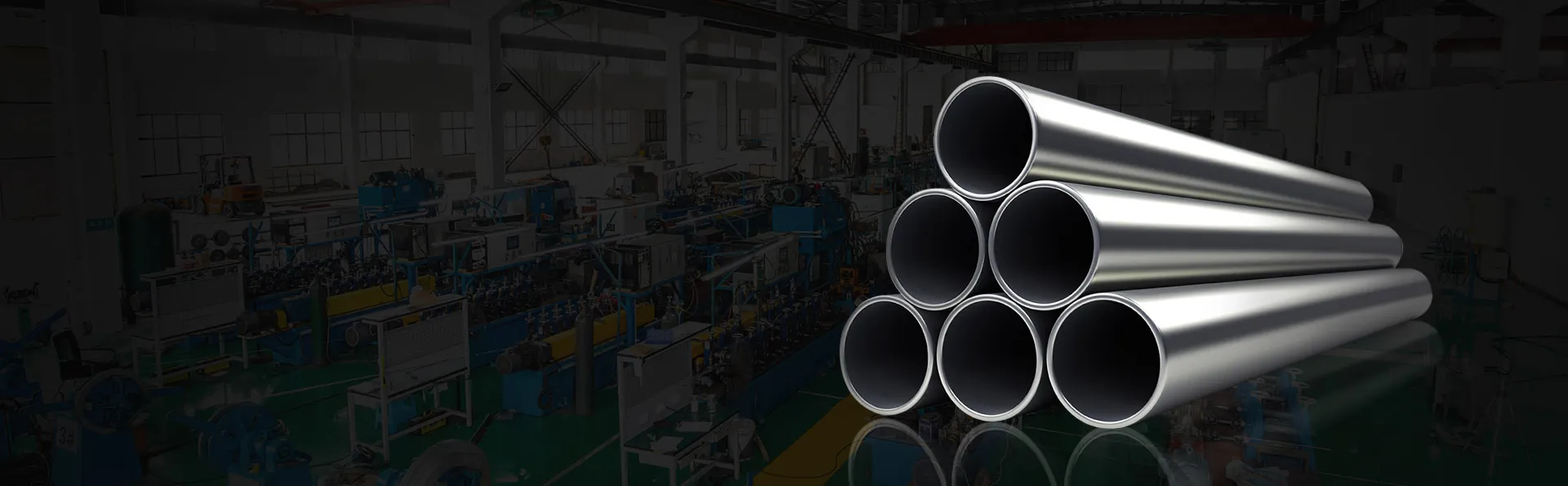
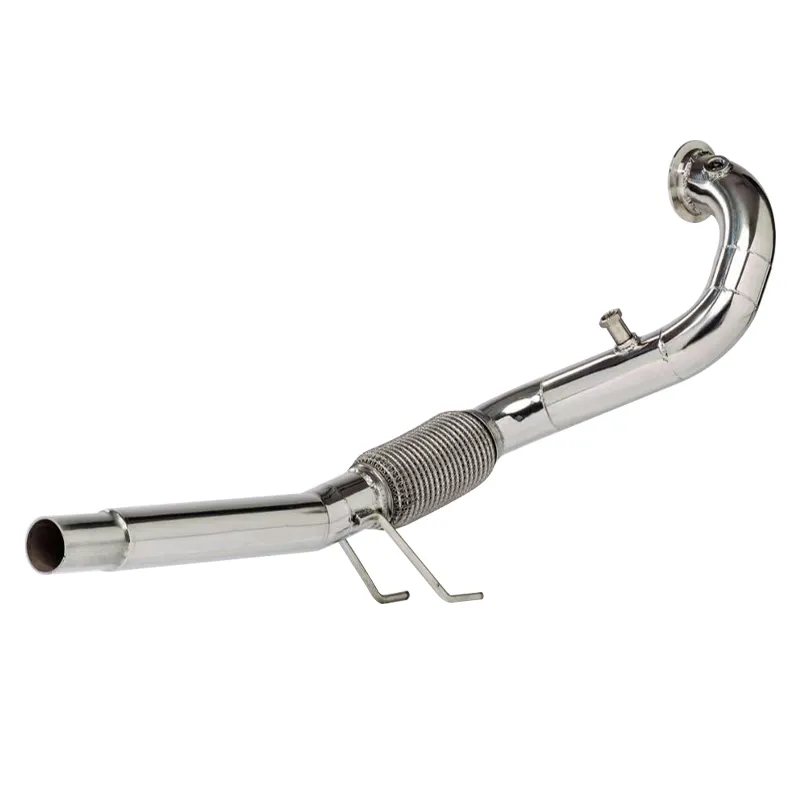
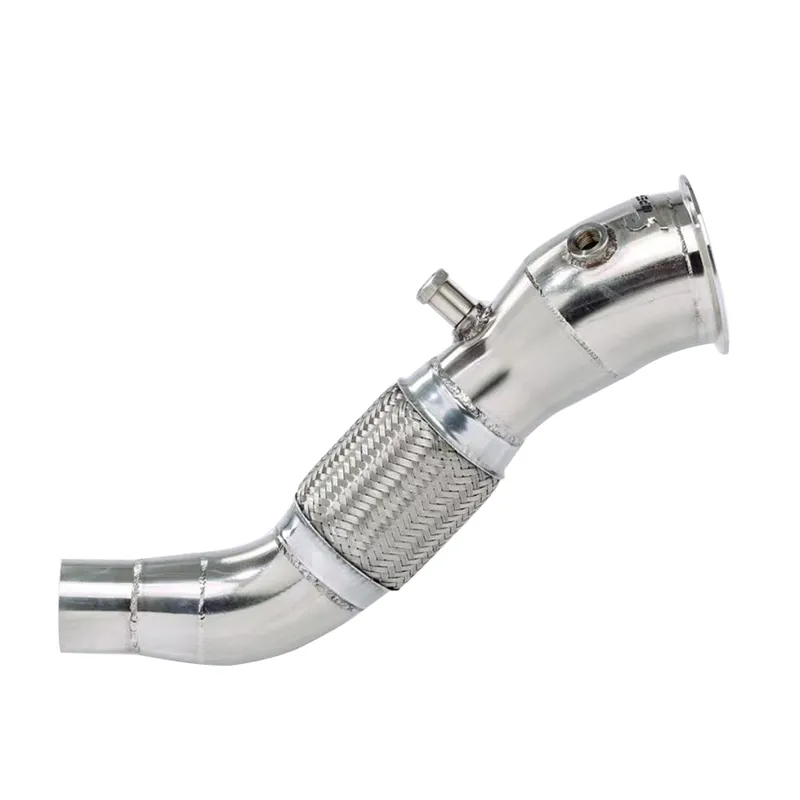
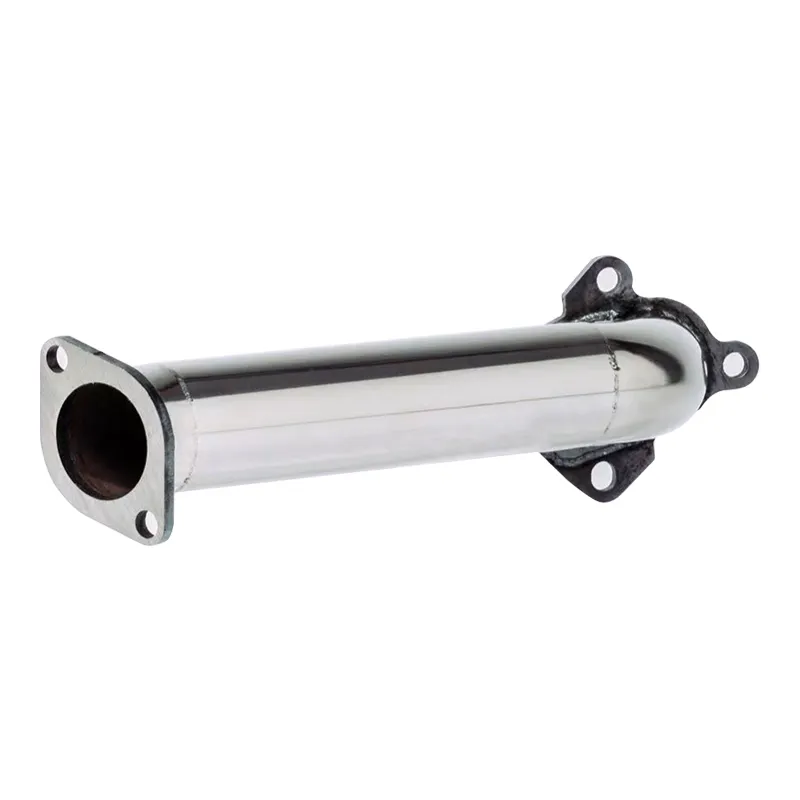
Yaolong supplies stainless steel automotive exhaust tube for exhaust routing, silencers, catalytic-converter assemblies, and emission-control systems. Material grade, outside diameter, wall thickness, finish, and testing requirements are confirmed against each drawing or purchase specification.
Stainless Steel Automotive Exhaust Tube
Automotive exhaust tube must tolerate hot gases, condensate, road salts, vibration, and repeated thermal cycling. Stainless steel grades are selected according to the operating environment, forming requirements, corrosion exposure, and project specification. Please send your required grade, dimensions, tolerances, quantity, and inspection requirements for technical review.
1. Key Features
- Corrosion Resistance: Stainless steel contains chromium, which forms a passive layer of chromium oxide on the surface, preventing rust and corrosion.
- Heat Resistance: It can withstand the high temperatures generated by exhaust gases without degrading.
- Durability: Stainless steel is strong and long-lasting, making it ideal for the harsh conditions of an exhaust system.
- Aesthetic Appeal: Stainless steel has a polished, shiny appearance that can enhance the look of the vehicle.
2. Common Stainless Steel Grades
- 409 Stainless Steel: Commonly used in OEM (Original Equipment Manufacturer) exhaust systems. It contains 11% chromium and is less expensive but offers good corrosion resistance.
- 304 Stainless Steel: Contains 18% chromium and 8% nickel, offering superior corrosion resistance and a polished finish. Often used in aftermarket performance exhaust systems.
- 321 Stainless Steel: Similar to 304 but with added titanium for improved high-temperature strength. Used in high-performance and racing applications.
3. Product Benefits
- Corrosion resistance: Suitable grade selection helps resist exhaust condensate and external road exposure.
- Temperature capability: Stainless steel retains useful strength across repeated exhaust-system heating and cooling cycles.
- Formability: Tube can be specified for downstream bending, expanding, flaring, and welding processes, subject to grade and dimensional requirements.
- Consistent specification: Dimensions, surface condition, and inspection can be agreed for the intended component and production program.
4. Applications
- Passenger cars: OEM and aftermarket exhaust systems for cars, trucks and SUVs.
- Performance and racing: Advanced stainless steel tubes are used to handle extreme conditions and improve performance.
- Motorcycles: Lightweight and durable stainless steel tubes are popular in motorcycle exhaust systems
5. Inspection and Maintenance
- Regular Cleaning: To maintain the aesthetic appeal, especially for polished finishes.
- Inspection: Check for any signs of damage or leaks, although stainless steel is highly durable.
6. Specification and Fabrication
- Drawing review: Confirm grade, outside diameter, wall thickness, tolerances, finish, and required tests before production.
- Downstream fabrication: Bending, forming, welding, and assembly parameters should be validated by the component manufacturer for the selected grade and tube geometry.